
The Exceptional Power of Multiple Minds: Synaptic Innovation
Can multiple brains work as one collective mind? You accomplish it each time you have a conversation. Here’s how you can multiply the innovative power of your mind by successfully interacting with others.
The human mind is not one thing. It’s not even multiple sections. It’s a detailed and powerful network of many, many small things all linked together.
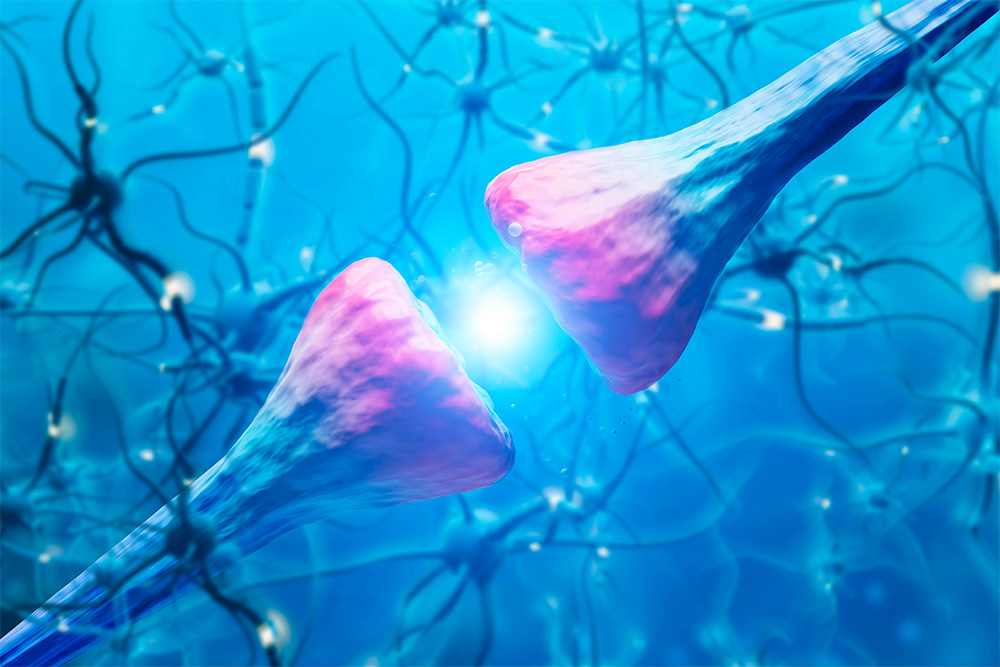
Those small things are called neurons, specialised nerve cells that send and receive chemical and electrical messages in the brain and also throughout the body.
Each neuron has a long stalk (called an axon) that reaches out to other nearby neurons to facilitate the communication of these electrical messages. But the neurons do not touch. Instead there is a tiny gap called a synapse and the messages jump this gap from one cell to the other.
This synaptic jump is one of the things that makes the human brain such a thrilling thing to study, and (I would suggest) such a thrilling thing to experience. (If you’re not currently thrilled at the wonders of having a brain [and yes, headaches definitely do happen], please use this as an excuse to stop for a moment and appreciate what an incredible gift you carry around on your neck and shoulders.)
These synapses turn isolated cells into a network of incredible possibilities that control every thought and memory in your mind as well as the movements of your body. Their configuration makes you you.
But this post isn’t about your brain. Or, at least, not just your brain.
What Happens When Brains Get Together?
Recently I was attending an innovation roadshow where a variety of discussions were happening at tables around the room and I came to realise that each group of people were like a conversational synapse.
They weren’t touching, but they were communicating. And in the process of communicating, they became more than the sum of their parts. They became a collective intelligence (as the official term is).
They formed a network of connections between the experiences and interests of each person as well as their individual thought processes and preferences. Each person’s thought process contributed to the whole and anything could happen in the small gap between these people.
As the prevalence of deepfakes and AI-generated content continues to mushroom, the authenticity found in genuine conversations with real people sitting around a table (at a networking event or a work meeting or anything in between) is going to be an even more valued and sought-after experience.
The term for these moments where people get together and have genuine and inspiring conversation should be called (in my opinion) synaptic innovation. Not just because you need actual synapses to play (no AI, if at all possible, please; humans need space to be unpolished and more than a little off the wall) but because the collection of people all talking together is, in my mind, a verbal synapse.
We all want a brain that brings innovative thoughts to the table, but if you can make everyone around the table work together like a combined brain, you will find the innovation potential multiplies with each person added to the conversation.
Synaptic innovation means people:
- Share their own thoughts and experiences
- Learn about the thoughts and experiences of others
- Ask questions to clarify understandings
- Make connections between information being shared
- Discover possibilities for their own benefit or the benefit of others
- Make plans for how they can support or initiate ideas/projects/possibilities
So, what are the elements needed in a conversation or work meeting to make synaptic innovation happen?
Patience
Patience is a key element in life in general, but especially when interacting with people. Real-life conversations are roundabout, confusing at times, not always scintillating, and do not have guaranteed outcomes. If you’re pushing for a deadline or an end goal, not only will you not enjoy yourself, but the others in the conversation likely won’t either.
The more you can dial down your expectations and relax into just being present and doing your part to keep the tone supportive and positive, the more you’ll contribute and the more you’re likely to get out of it.
A good conversation is like throwing a ball to each participant. Throw a ball too fast, too high, too hard and the other person will be on the back foot, find the experience stressful, and might just bow out. The aim of the game is for each participant to catch the ball and throw it to someone else. You’re not here to win. You’re here to keep the ball in play.
Humility
If you think you know everything, you’re a brain of one. You won’t take in any information from others, but you’ll also not likely get information through to anyone in the conversation either. People are drawn to those who listen and who are can adapt their thoughts and opinions to new information.
Ideas come from novelty. Novelty only hits if we’re aware that there are things we don’t know and we’re open to learning more. Openness, curiosity, and the desire to explore are key elements in creative thought and in synaptic innovation. Recognising that we don’t know everything and building a desire to learn is key to this whole process.
Adaptability
Any conversation requires us to be present and adapt to the subject, goal, and expectation of the other person or people in the conversation. The more flexible we are in what we say and do, the easier the conversation will be for all.
The theme of the Hunter Innovation Festival for 2026 is “Yes, And…” which is “the language of people who take an idea and run with it.” “Yes, and” is also a foundation of improvisational comedy. One comedian makes a statement; the other comedian accepts the premise and builds on it.
The concept works beautifully in a synaptic innovation context. The purpose of each member of the conversation is to build on what the others are saying. Instead of taking over or steering the conversation, think “yes, and.” Add your unique insight to the discussion and allow others to contribute and develop the idea further.
You’re a unique part of a whole. Add what you can naturally add and appreciate and accept the additions of the other members of the group.
By being patient, humble, and adaptable, you bring out the best in yourself and in the other members of the conversation.
So the next time you find yourself in a group conversation, think of yourself as being part of a synapse with the potential to achieve thoughts and ideas none of you could do on your own.
This blog is about the theory of innovation, but how does it work in practice? Sign up for the partner newsletter The Bright Idea Bulletin for punchy, actionable tips you can use in your workplace right away.
Discover more from Creative Ark
Subscribe to get the latest posts sent to your email.